
Creative movement behind this clothing label represents

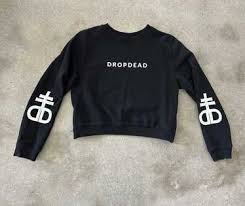
Legacy of a Creative Movement
The legacy of an influential fashion label is rarely defined solely by garments. Instead, it is shaped by ideas, communities, and cultural impact that extend far beyond fabric and design. In the case of alternative fashion movements, legacy becomes a reflection of how creativity, resistance, and identity intersect to challenge conventional industry norms. This legacy is not inherited overnight; it is built gradually through Drop Dead globally, emotional resonance, and cultural relevance.The creative movement behind this clothing label represents a shift away from fashion as a purely commercial enterprise. From its earliest expressions, the brand embodied a philosophy where clothing functioned as storytelling—each piece carrying visual emotion, subcultural symbolism, and personal meaning. This approach laid the foundation for a legacy rooted in expression rather than trend compliance.
Creativity as the Core Identity
At the heart of this legacy lies creativity without compromise. Unlike traditional fashion houses driven by seasonal cycles and market forecasts, the brand’s identity emerged from artistic instinct. Design decisions were informed by emotion, visual narrative, and cultural context rather than mass appeal.This creative independence allowed garments to feel personal and intentional. Drop Dead Clothing decorative additions but central messages. Typography, illustration, and composition were used to communicate mood, tension, and belonging. Over time, this unwavering commitment to creativity established a recognizable visual language that transcended fashion cycles.
Redefining Clothing as Expression
The legacy of this creative movement rests heavily on redefining what clothing represents. Apparel was positioned as an extension of self rather than a uniform dictated by trends. Wearing these garments became a form of highlights, Drop Dead Sweatpants identity, values, and emotional alignment.This reframing resonated deeply with individuals seeking authenticity. Clothing became a mirror of internal states rather than external expectations. As a result, the brand cultivated a following that valued emotional resonance over logos, reinforcing its role as a platform for expression rather than consumption.
Influence of Subculture and Youth Movements
Subcultural influence played a defining role in shaping long-term impact. Music scenes, underground art, and youth movements provided both inspiration and audience. These communities valued independence, emotional honesty, and resistance to mainstream norms—principles that aligned naturally with the brand’s ethos.Rather than appropriating subculture for aesthetic appeal, the brand existed within it. This authenticity allowed it to evolve alongside its audience, reflecting generational shifts while remaining rooted in shared values. The resulting legacy is inseparable from the cultural movements that Drop dead wear
Visual Storytelling and Graphic Language
One of the most enduring aspects of the brand’s legacy is its commitment to visual storytelling. Graphics functioned as narratives rather than patterns, often exploring themes of vulnerability, conflict, isolation, and imagination. This approach elevated apparel into wearable art.Over time, the graphic language evolved without losing coherence. Changes in style reflected cultural shifts and creative growth while preserving emotional depth. This consistency allowed the brand to remain recognizable while avoiding stagnation—a key factor in sustaining long-term relevance.
Limited Production and Intentional Scarcity
Intentional scarcity became a defining strategic choice that reinforced creative integrity. Rather than pursuing unlimited production, the brand favored controlled releases that prioritized meaning over volume. This approach cultivated anticipation and preserved artistic value.carcity also reinforced emotional attachment. Garments felt special, personal, and irreplaceable—qualities rarely associated with mass-produced fashion. By resisting overexposure, the brand protected its creative legacy from dilution, ensuring that each release Retained significance
Community as a Living Archive
Legacy is sustained not only by creators but by the community that carries it forward. Supporters became archivists of the brand’s history, preserving past designs, interpretations, and emotional extended Premium cotton hoodie. Online spaces, events, and shared experiences formed a living record of cultural impact.This community-driven preservation allowed the brand’s story to evolve organically. Feedback, reinterpretation, and collective memory ensured that legacy remained dynamic rather than static. The audience did not simply consume history—they participated in shaping it.
Digital Culture and Global Reach
The rise of digital platforms expanded the reach of this creative movement without compromising its core identity. Online distribution, visual media, and social engagement allowed the brand to connect with a global audience while maintaining direct communication.Digital culture amplified storytelling rather than replacing it. Visual campaigns, interactive content, and direct engagement reinforced emotional connection. This global reach transformed the brand from a localized phenomenon into an international creative reference point.
Fast-Fashion Mentality
A critical aspect of the brand’s legacy is its resistance to fast-fashion principles. Rather than promoting constant consumption, it encouraged thoughtful ownership and emotional attachment. This philosophy challenged the disposability that defines much of modern fashion.By prioritizing quality, storytelling, and longevity, the brand demonstrated that fashion could thrive without sacrificing values. This resistance contributed to broader conversations about sustainability, ethics, and mindful consumption—further extending cultural influence.
Impact on Contemporary Creative Brands
The legacy of this clothing movement extends into the wider fashion landscape. Many contemporary brands have adopted principles pioneered here, including limited drops, narrative-driven design, and community engagement. What was once unconventional has become industry standardinfluence underscores the brand’s role as a cultural innovator. Its success validated alternative pathways to relevance, proving that authenticity and creativity could compete with—and even outperform—traditional models of scale-driven fashion.
Longevity Through Cultural Alignment
Sustaining relevance over time requires more than aesthetic appeal. Longevity emerges from alignment with evolving cultural values. By remaining attuned to emotional, artistic, and social shifts, the brand preserved its resonance across generations.ather than reinventing itself entirely, it refined its voice. This balance between continuity and evolution ensured that legacy was built gradually, anchored by principles rather than trends. Cultural alignment became the foundation for enduring relevanceThe legacy of this creative clothing movement lies in its Expression focused apparel design to transcend fashion. It represents a model where creativity leads, community sustains, and culture validates. Garments serve as artifacts of shared experience rather than disposable products.his legacy continues to influence how fashion is perceived—as a medium for storytelling, resistance, and identity. By prioritizing artistic integrity and emotional connection, the brand established a blueprint for creative longevity that extends far beyond clothing.