
Alternative clothing culture has emerged

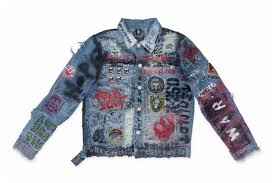
Drop Dead Clothing Culture USA
Alternative clothing culture has emerged as one of the most influential forces in modern fashion, representing not just style, but identity, community, and creative rebellion. Beyond trends, it is a reflection of personal expression and cultural alignment, often thriving outside mainstream fashion channels. Brands rooted in this culture prioritize authenticity, narrative, and artistry, shaping a movement where Drop Dead globally is a medium of communication rather than mere utility.The growth of alternative clothing culture coincides with shifts in youth culture, music, and digital connectivity. Communities that once existed locally now interact globally, sharing aesthetics, philosophies, and collective identity. This interconnectedness has elevated the reach of independent labels while maintaining the subcultural essence that defines their appeal.
Origins of Alternative Clothing Culture
The roots of alternative clothing culture trace back to subcultures that challenged mainstream fashion norms. Punk, goth, hardcore, and skate movements introduced styles that expressed rebellion, individuality, and emotional honesty. Early adopters used clothing as a visual language, signaling affiliation with specific ideologies, communities, or artistic movementsculture was often defined by Drop Dead Clothing from hand-modified garments to self-printed graphics. The emphasis was on creativity, personal narrative, and accessible self-expression. These values laid the groundwork for independent brands to emerge, offering products that resonated with authentic subcultural identity.
Music and Subculture Influence
Music has always been integral to alternative clothing culture. Bands and artists provided both inspiration and audience, shaping the visual identity of a generation. Album art, tour merchandise, and fan aesthetics influenced fashion choices, establishing a strong connection between musical taste and clothing preference.Brands embedded in this culture often collaborated with musicians or Drop dead (dropdeadofficial) latest design cues from lyrical themes and visual motifs. This synergy allowed apparel to become an extension of cultural participation, enabling wearers to express allegiance, emotion, and creativity in tangible ways.
Independent Labels and the DIY Ethos
Independent labels have been the backbone of alternative clothing culture. Operating outside traditional fashion hierarchies, these brands prioritize artistic freedom, storytelling, and community engagement over mass production. Limited releases, handcrafted details, and experimental graphics define their approachDIY ethos extends beyond production into marketing and distribution. Early independent brands relied on word-of-mouth, underground zines, and local events to build recognition. This grassroots model reinforced authenticity and fostered loyal communities who valued substance over commercialization.
Graphic Design as Cultural Expression
Graphic design is a cornerstone of alternative clothing. Apparel becomes a canvas for visual storytelling, combining illustration, typography, and symbolism to communicate emotion, critique, or subcultural identity. Drop Dead Sweatpants take often challenge conventional aesthetics, integrating bold imagery, abstract motifs, or provocative statements.Through these graphics, brands convey narratives that resonate with subcultural audiences. Each piece becomes more than clothing—it is a statement, a conversation starter, and a marker of belonging. The evolution of graphic complexity reflects cultural shifts while maintaining continuity with the brand’s creative core.
Community Engagement and Cultural Sustainability
The sustainability of alternative clothing culture relies heavily on community participation. Online platforms, forums, and social media enable fans to share interpretations, coordinate events, and maintain collective memory. Communities serve as living archives, preserving the aesthetic and ethos of the movement.Engagement also reinforces values such as authenticity, ethical production, the Drop Dead Shirt graphiccreativity. Fans are not merely consumers; they are collaborators, curators, and advocates. This participatory model ensures that culture evolves organically, rather than being dictated solely by commercial imperatives.
Navigating Modern Fashion Landscapes
Alternative clothing culture continues to navigate a complex fashion landscape. Mainstream adoption, collaborations with larger brands, and digital commercialization present both opportunities and challenges. Maintaining authenticity while scaling reach requires careful curation, limited releases, and adherence to core values.Despite these pressures, the culture thrives by balancing accessibility with exclusivity. By prioritizing narrative integrity, creative experimentation, and community engagement, alternative brands can maintain relevance without compromising identity.
Legacy of Alternative Clothing Culture
The legacy of alternative clothing culture lies in its ability to blend creativity, identity, and community into a sustainable cultural movement. It has influenced mainstream fashion, inspired countless independent labels, and reshaped perceptions of clothing as a medium of expression. Its impact extends beyond apparel, shaping visual art, music aesthetics, and lifestyle philosophies.Through continued innovation, dedication to storytelling, and cultural alignment, alternative clothing culture remains a defining force in fashion. It demonstrates that authenticity, artistic vision, and community engagement can coexist with commercial success, Leaving a lasting mark on the industry