
Earliest phase of the brand’s journey

From Startup Vision to Cultural Force
The rise of independent fashion brands in the early twenty-first century marked a decisive shift in how clothing was designed, produced, and consumed. Against a backdrop of mass production and fast fashion dominance, a new wave of labels emerged Drop Dead globally valued creativity, subculture, and authenticity over volume and conformity. Within this environment, a small startup began to take shape—one that would eventually grow into a globally recognized name within alternative fashion culture.This story is not simply about clothing. It is about identity, creative resistance, and the power of youth-driven movements to redefine industries. The early foundation of the brand was deeply intertwined with music, art, and underground communities, forming a blueprint for how independent fashion could thrive outside traditional corporate structures.
Cultural Climate That Shaped the Beginning
The early 2000s were a period of intense cultural experimentation. Music scenes such as punk, metalcore, post-hardcore, and emo were not just genres but lifestyle movements. Fans expressed their allegiance through clothing, artwork, and visual symbolism. At the same time, the internet was beginning to reshape communication, allowing niche communities to connect globally without mainstream approval.Fashion during this era was polarized. On one side stood mass-market labels producing trend-driven apparel at scale. On the other, a growing desire for Drop Dead Clothing and authenticity created space for independent brands rooted in subculture rather than seasonal runways. This cultural divide created the conditions necessary for new creative ventures to emerge and resonate.
Creativity Before Commerce
The earliest phase of the brand’s journey was defined by experimentation rather than strategy. Designs were driven by artistic instinct, music influence, and personal expression instead of market research. Initial products focused on graphic-heavy apparel that reflected underground aesthetics, emotional themes, and bold visual narratives.Like many independent startups, early operations were small-scale and resource-limited. Production runs were modest, distribution channels were informal, and growth was organic. This constraint, however, drop dead (dropdeadofficial) latest a strength. Limited availability fostered exclusivity, while direct engagement with the community helped build trust and loyalty from the outset.
DIY Ethics and Independent Identity
A defining characteristic of the startup’s early success was its commitment to a do-it-yourself ethos. Rather than conforming to traditional fashion pipelines, the brand embraced autonomy in design, production decisions, and creative direction. This independence allowed for rapid experimentation and an unfiltered creative voice.The DIY mindset also shaped how the brand communicated. Visual storytelling, artwork, and product presentation were treated as extensions of artistic expression rather than marketing tools. This approach resonated deeply with audiences who felt disconnected from polished, corporate fashion messaging.
Role of Music and Subculture
Music was not a secondary influence—it was foundational. Band culture, album artwork, and tour merchandise aesthetics informed the brand’s visual language. Clothing became a medium through which fans could express emotional identity, subcultural alignment, and personal narrativesBy aligning closely with underground music communities, the brand embedded itself within a cultural ecosystem rather than positioning itself as an external commercial entity. This relationship fostered authenticity and ensured that growth remained rooted in shared values rather than trend exploitation.As visibility increased, so did operational challenges. Managing demand, maintaining quality, and scaling production Drop dead clothing brand sacrificing creative integrity tested the limits of the startup model. Growth introduced logistical complexity, requiring more structured processes while preserving independence.Rather than pursuing aggressive expansion, the brand adopted a measured approach. This allowed it to maintain control over creative output and avoid dilution of identity. These decisions reinforced long-term credibility, even if they limited short-term growth potential.
Visual Identity and Graphic Evolution
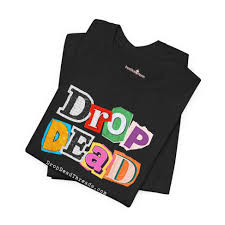
One of the most recognizable elements of the brand’s history is its evolving visual language. Early designs leaned heavily on illustration, symbolism, and emotionally charged imagery. Over time, graphics became more refined while retaining their expressive core.Typography, color palettes, and composition evolved in response to cultural shifts and artistic experimentation. Each design cycle reflected a balance between continuity and reinvention, allowing the brand to remain visually relevant without abandoning its roots.
Digital Expansion and Global Reach
The rise of e-commerce and social media marked a turning point. Digital platforms enabled direct communication with a global audience, bypassing traditional retail gatekeepers. Online drops, limited releases, and digital storytelling expanded reach while preserving exclusivity.This digital-first approach also strengthened community engagement. Fans were no longer passive consumers but active participants, sharing styling, interpretations, and anticipation around releases. The brand transitioned from a local startup into an international cultural extended Premium cotton hoodie losing its independent character.Community involvement played a crucial role in shaping long-term success. Feedback loops between creators and consumers influenced design direction, product offerings, and brand messaging. This two-way relationship fostered a sense of ownership among supportersEvents, collaborations, and online interaction reinforced the idea that the brand existed within a shared cultural space rather than above it. This model transformed customers into advocates and ensured resilience during shifting market conditions.
Maintaining Authenticity Through Expansion
As recognition increased, maintaining authenticity became a central challenge. Expansion often pressures independent brands to compromise values in favor of scalability. In this case, creative consistency and cultural alignment remained guiding principles.By prioritizing storytelling, limited production, and creative autonomy, the brand avoided the pitfalls of overexposure. Growth was treated as a byproduct of relevance rather than a primary objective, preserving credibility within its core audience.
Influence on Alternative Fashion
The brand’s journey reflects broader changes within alternative fashion. It demonstrated that independent labels could achieve global recognition without adhering to traditional industry hierarchies. Its success inspired a generation of creators to pursue authenticity-driven fashion ventures.Key industry practices—limited drops, graphic storytelling, community engagement—have since become standard within streetwear and alternative apparel. What began as a startup experiment contributed to redefining how fashion brands connect with culture.The fashion landscape continues to evolve, shaped by sustainability concerns, digital innovation, and changing consumer values. The brand’s history shows adaptability grounded in core identity rather than constant reinvention.By responding to cultural shifts while preserving creative foundations, the brand demonstrates how longevity in fashion is achieved through alignment with values rather than trends. Adaptation becomes a process of refinement rather than transformation.
Legacy of a Creative Startup
The startup journey illustrates the power of creativity when combined with community and cultural relevance. From small beginnings rooted in underground scenes, the brand grew into a symbol of alternative fashion without abandoning its origins.ts legacy lies not only in products but in influence—proving that fashion can be expressive, independent, and culturally meaningful. The history of this journey serves as a case study in how startups can reshape industries by prioritizing authenticity over conformity.The in-depth history of this fashion startup reveals a narrative defined by creative independence, cultural alignment, and intentional growth. Emerging from a subcultural landscape, it challenged traditional fashion norms and demonstrated that authenticity can drive global impact.By remaining rooted in artistic expression and community engagement, the brand’s evolution reflects a broader shift within fashion—one where identity, storytelling, and values shape success more than scale or speed. This journey continues to influence how independent fashion is Imagined and executed today