
Alternative and independent fashion movements

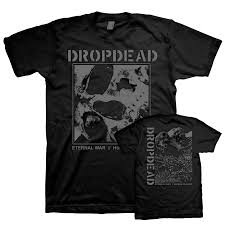
Drop Dead Ethical Fashion Manufacturing
Ethical fashion manufacturing has become one of the most critical conversations in the modern apparel industry. As consumers grow more conscious of where their clothing comes from, how it is made, and who is involved in the process, brands are increasingly judged on values rather than aesthetics alone. Manufacturing ethics now influence trust, reputation, and long-term relevance in global fashion markets.At its foundation, ethical manufacturing addresses the human cost behind clothing production. It challenges long-standing practices built on exploitation, unsafe working conditions, and opaque supply chains. Instead, it promotes fairness, transparency, and accountability at every stage of garment creation, from sourcing raw materials to final Drop Dead globally and independent fashion movements have historically questioned industry norms. Their resistance to mass production and emphasis on individuality naturally aligned with ethical manufacturing ideals. This cultural backdrop helped shape manufacturing models that prioritize people over profit and quality over volume.As ethical awareness continues to rise, manufacturing is no longer seen as a hidden backend process. It has become a defining part of brand identity. How garments are produced now tells a story—one that reflects social responsibility, respect for labor, and commitment to sustainable progress.
Defining Ethics in Apparel Manufacturing
Ethical manufacturing in fashion refers to production systems that uphold human rights, ensure safe working environments, and provide fair compensation. Unlike conventional models driven by cost minimization, ethical Drop Dead Clothing emphasize dignity, equity, and long-term well-being for workers.This approach rejects exploitative labor practices such as excessive working hours, unsafe facilities, and unfair wages. Instead, it supports regulated working conditions, transparency, and compliance with international labor standards. Ethical manufacturing transforms factories from hidden spaces into accountable partners within the fashion ecosystem.
Transparency and Supply Chain Accountability
Transparency is a cornerstone of ethical fashion manufacturing. Without visibility, accountability cannot exist. Ethical production models require clear documentation of sourcing, labor conditions, and manufacturing locations.Supply chain accountability ensures that every participant—from material suppliers to final assemblers—is held to ethical standards. This transparency builds trust with consumers and allows independent audits to verify compliance. When supply chains are open and traceable, ethical commitments become measurable rather than symbolic.
Fair Labor Standards and Worker Well-Being
Worker welfare lies at the heart of ethical manufacturing. Fair wages, reasonable working hours, and safe environments are fundamental requirements rather than optional benefits. Ethical systems recognize that skilled craftsmanship flourishes when workers are respected and protectedBeyond physical safety, ethical manufacturing also addresses mental well-being, job security, and worker extended Premium cotton hoodie. Empowered employees contribute higher-quality work, lower turnover rates, and stronger production consistency. Ethical labor practices therefore benefit both human lives and product outcomes.
Responsible Production Volumes
Overproduction has long been a driver of unethical labor practices. High-volume demand often leads to rushed timelines, unsafe conditions, and worker exploitation. Ethical manufacturing counters this by aligning production volumes with realistic demand.Smaller production runs reduce pressure on factories while minimizing waste and surplus inventory. This measured approach allows manufacturers to maintain quality standards and humane working conditions. Responsible volume control demonstrates that profitability does not require excess.
- Drop Dead Born Sorry Washed Black T-Shirt
- Drop Dead Brookhaven Washed Black Longsleeve
- Drop Dead Chaos Brewing Washed Black Longsleeve
Materials, Safety, and Ethical Compliance
Ethical manufacturing extends into material handling and workplace safety. Workers must not be exposed to hazardous chemicals, unsafe machinery, or poorly regulated environments. Ethical production systems prioritize non-toxic Worker welfare in garment industry safe dyeing processes, and regulated equipment use.Compliance with safety standards protects workers while also improving product quality and environmental outcomes. Safer materials and processes reduce health risks and long-term environmental damage, reinforcing the interconnected nature of ethical responsibility.
Localized Manufacturing and Community Impact
Localizedand regional manufacturing models often support ethical outcomes by reducing supply chain complexity. Shorter distances improve oversight, communication, and compliance, making it easier to maintain ethical standards.Community-based production also contributes to local economies by creating stable employment and skill development opportunities. Ethical manufacturing recognizes its role beyond factory walls, understanding that apparel production can positively influence social and economic ecosystems.
Long-Term Value of Ethical Manufacturing
Ethical fashion manufacturing represents a long-term investment rather than a short-term expense. While ethical systems may require higher upfront costs, they deliver lasting benefits through quality consistency, brand trust, and consumer loyalty.As regulations tighten and awareness increases, ethical manufacturing will become a baseline expectation rather than a competitive advantage. Brands that adopt these principles early position themselves for resilience, credibility, and sustainable growth within an Evolving fashion landscape